Health and Safety Risks Caused by Small Animals in Commercial Facilities
Local contractors specializing in small animal removal can help eliminate health and safety risks caused by small animals in commercial facilities, ensuring a safer environment.
Visitors exploring concerns about health and safety risks caused by small animals in commercial facilities are in the right place. Small animals such as rodents, bats, or birds can pose significant health hazards, including the spread of disease, contamination of food supplies, and structural damage that may compromise safety. For property owners in the area, understanding these risks is crucial for maintaining a safe, compliant, and hygienic environment. By staying informed, they can better recognize signs of an infestation and take proactive steps to address potential issues before they escalate.
Engaging with local contractors who specialize in small animal removal can be an effective way to manage these concerns. These service providers are equipped to identify entry points, safely remove small animals, and implement measures to prevent future problems. Exploring options for commercial small animal removal helps property owners protect their facilities, employees, and customers from health and safety hazards caused by small animals. Keeping this topic in mind encourages ongoing vigilance and proper management to ensure a safe working environment.
- Commercial facilities experiencing signs of small animals may need expert removal to mitigate health and safety risks caused by small animals, with local contractors employing humane trapping and exclusion methods. - When small animals are found nesting in HVAC systems or ventilation areas, local service providers can safely remove them to prevent contamination and structural damage. - If droppings, urine stains, or unusual odors are detected in a commercial setting, local pros can identify and eliminate small animal infestations that pose health hazards. - In cases where small animals have entered storage or food preparation areas, local contractors can perform safe removal to reduce contamination and health risks. - Commercial facilities facing potential pest-related health code violations due to small animal presence can rely on local experts to handle removal and prevent safety issues.
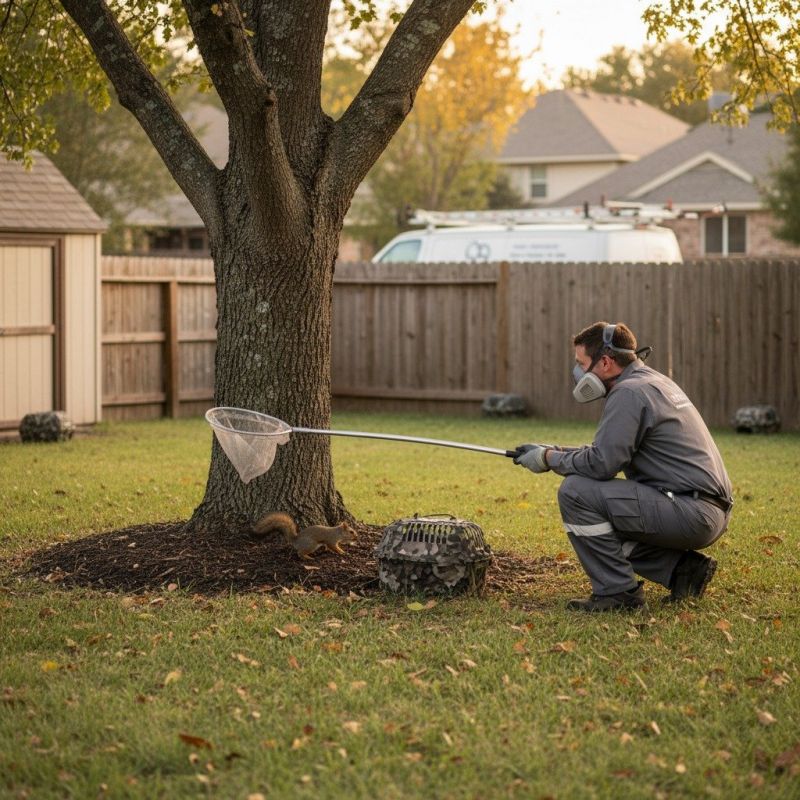
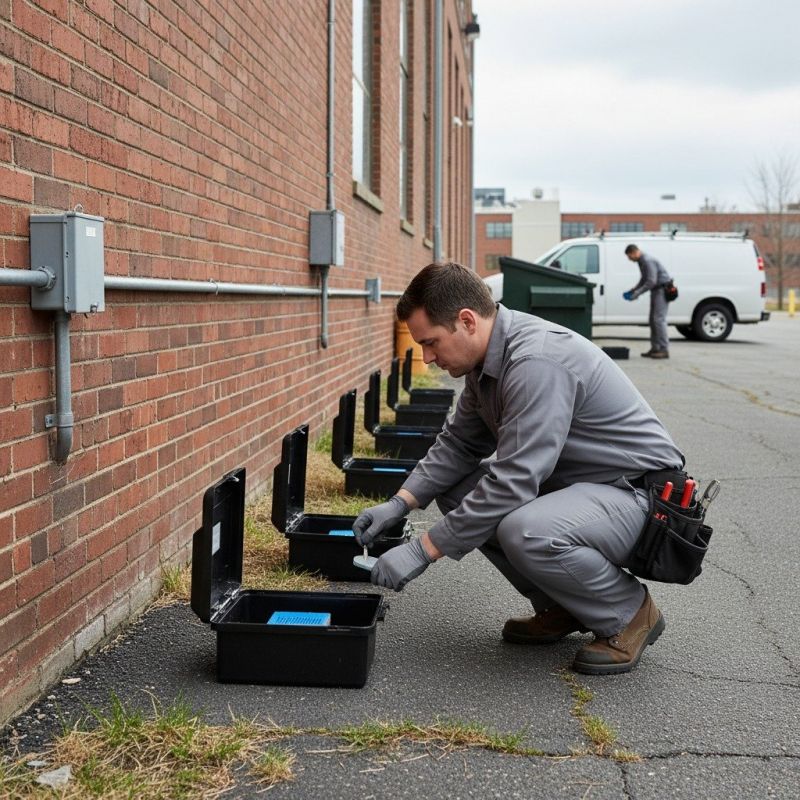
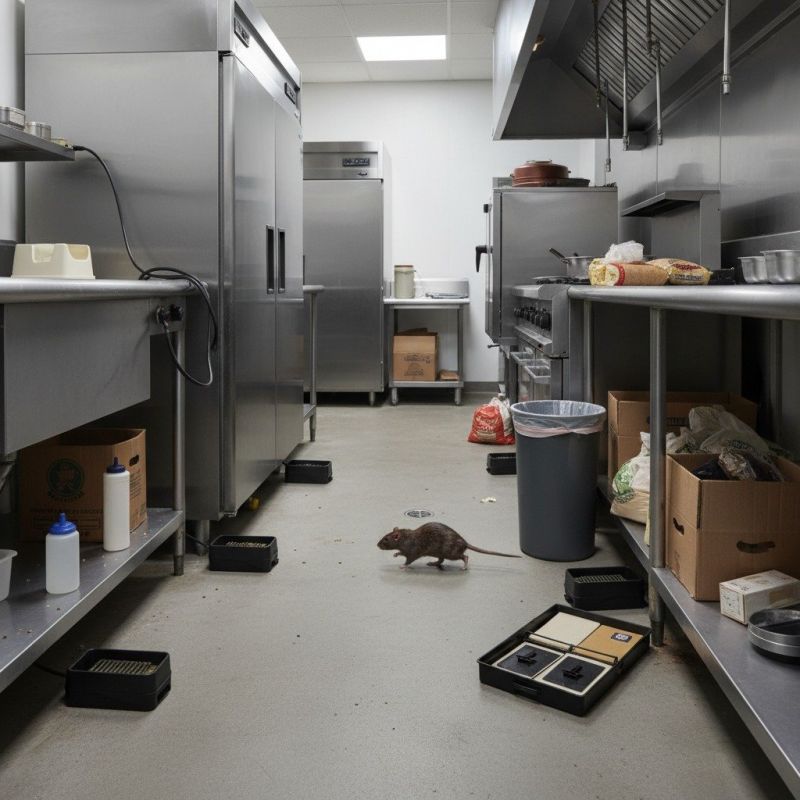
When searching for information about health and safety risks caused by small animals in commercial facilities, most people are concerned about how these pests can impact the safety of their environment. Small animals such as rodents, bats, or squirrels can introduce various health hazards, including the spread of diseases through droppings, urine, or nesting materials. These risks are especially significant in settings where food products, pharmaceuticals, or sensitive equipment are stored or processed. Business owners and property managers often seek guidance on how to identify these risks early and prevent potential health issues that could affect employees, customers, or visitors.
The problems associated with small animals in commercial properties often relate to structural damage, contamination, and disease transmission. For example, rodents can gnaw through wiring, insulation, and packaging, creating fire hazards and compromising product integrity. Bats and squirrels may nest in attics or wall voids, leading to droppings and urine that can contaminate surfaces and air quality. These issues not only pose health concerns but can also disrupt daily operations, leading to costly cleanups and repairs. Many plans for managing these risks involve inspection, exclusion, and removal strategies-steps that require the expertise of professionals experienced in small animal control and removal.
Properties that typically come up in discussions about health and safety risks caused by small animals include warehouses, manufacturing plants, food processing facilities, retail stores, and office buildings. Any commercial space that offers shelter or access points for small animals can become vulnerable to infestations. These properties often have structural features like roof vents, gaps around pipes, or broken windows that allow small animals to enter and establish nests. In some cases, properties may be located near wooded areas, parks, or water sources, increasing the likelihood of wildlife encounters. Recognizing these property types helps owners understand where small animal risks are most prevalent and why professional removal services are essential.
Understanding how small animals can threaten health and safety in commercial settings highlights the importance of working with local service providers specializing in small animal removal. These professionals can assess the property for entry points, signs of infestation, and potential hazards. They implement targeted removal and exclusion methods to eliminate existing problems and prevent future ones. For property owners and managers, connecting with experienced local contractors ensures that health and safety risks caused by small animals are addressed effectively, helping to maintain a safe, sanitary environment for everyone.
Pest inspection services - professionals who identify and assess pest-related health and safety risks in commercial settings, similar to small animal removal challenges.
Building damage assessment projects - evaluating structural issues caused by small animals, requiring planning and tools comparable to those used in small animal exclusion and cleanup.
Wildlife exclusion services - specialists who prevent animal entry to protect facility health, sharing skills with small animal removal teams focused on safety concerns.
Sanitation and cleanup projects - restoring contaminated areas after animal infestations, involving similar planning and safety considerations as small animal cleanup efforts.
Rodent proofing and sealing services - securing building entry points to prevent health hazards, aligning with small animal exclusion strategies in commercial environments.
Facility risk assessment consulting - evaluating health and safety vulnerabilities caused by small animals, paralleling the planning involved in small animal removal operations.
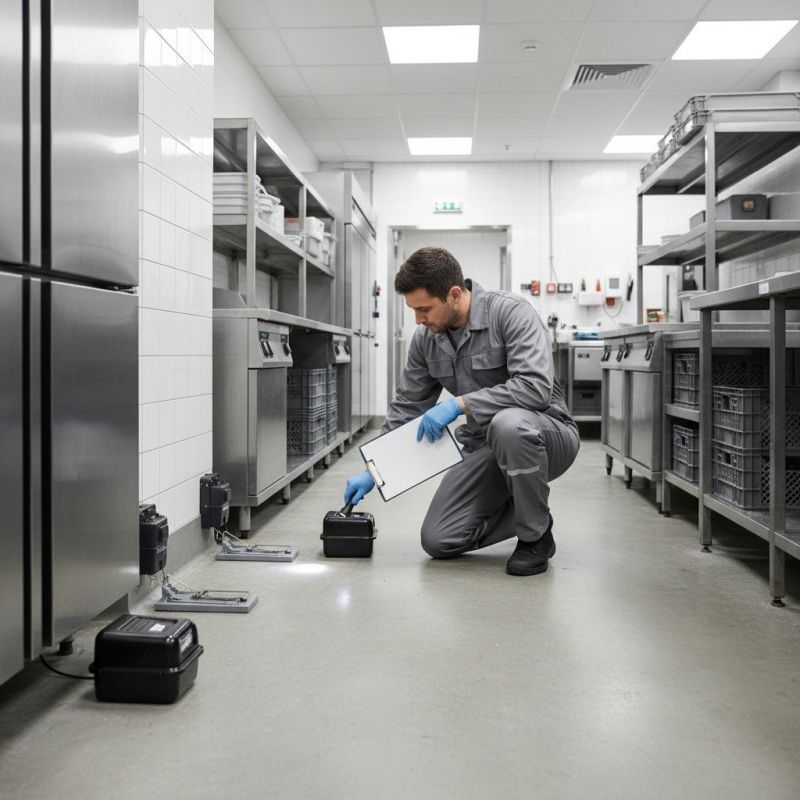
When evaluating service providers for addressing health and safety risks caused by small animals in commercial facilities, it is important to consider their experience with similar projects. An experienced contractor will have a clearer understanding of the common challenges associated with small animal intrusion and the most effective removal methods. They will also be familiar with the types of small animals that pose health risks in commercial environments, enabling them to tailor their approach to ensure comprehensive removal and minimize future issues. Checking for references or examples of past work can provide insight into their ability to handle projects of a similar scope and complexity, helping to gauge their familiarity with health and safety concerns specific to commercial settings.
Clear written expectations are essential when comparing local contractors for small animal removal services. A detailed scope of work should outline the specific steps involved in identifying, removing, and preventing small animals from returning, as well as any necessary repairs or modifications to the facility. Having this information in writing helps ensure that both parties understand the responsibilities and desired outcomes, reducing the risk of misunderstandings. It also allows for better comparison between providers, as each can be evaluated based on the thoroughness and clarity of their proposed plan, ultimately supporting a decision rooted in transparency and professionalism.
Effective communication is a key factor in selecting the right service provider to address health and safety risks caused by small animals. A reputable local contractor should be responsive to questions, able to clearly explain their process, and willing to provide guidance on ongoing prevention measures. Good communication ensures that concerns about health and safety are properly addressed throughout the project, and that any potential issues are promptly discussed and resolved. When comparing options, consider how well each provider communicates, as this can impact the overall success of the project and help maintain a safe, animal-free environment in the long term.
Property owners often search for health and safety risks caused by small animals in commercial facilities when they are planning practical projects around their homes and businesses. Local pros provide Commercial Small Animal Removal services for everyday jobs and straightforward project options.
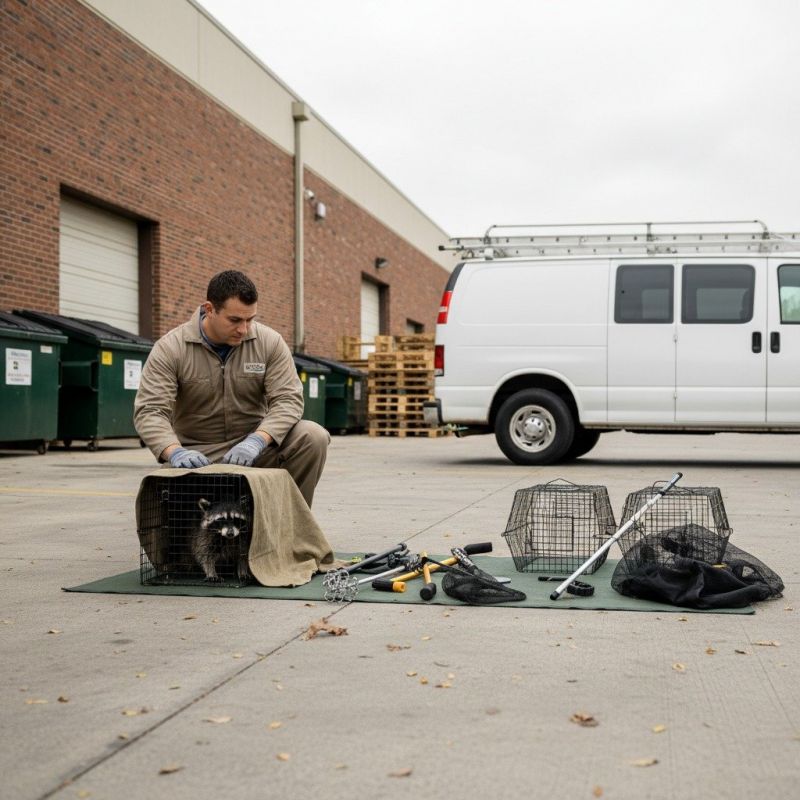
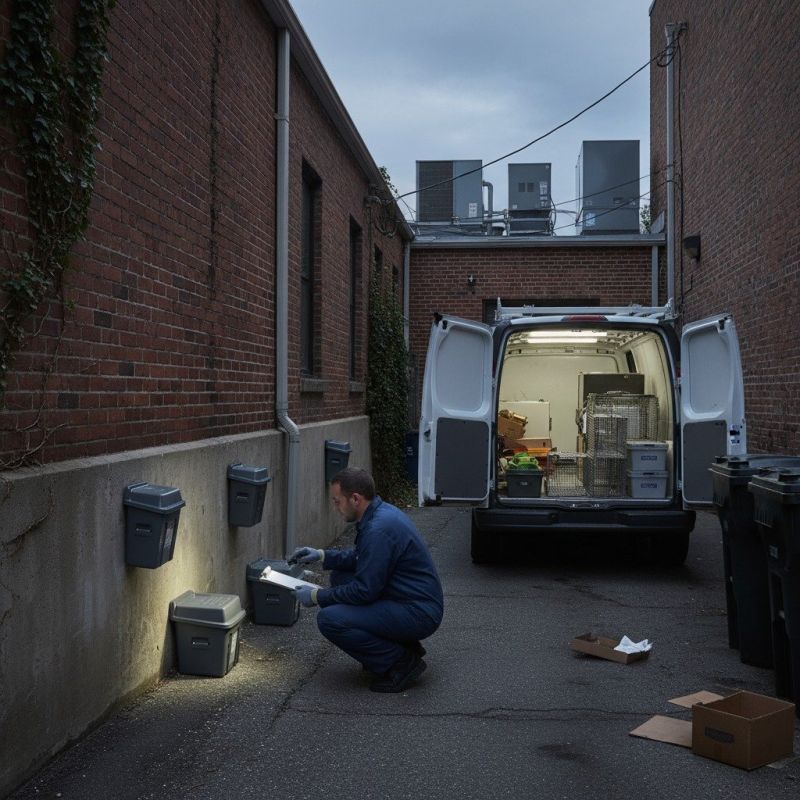
Small animals such as rodents, birds, and insects can pose significant health and safety risks in commercial facilities. Their presence often leads to contamination of food products, storage areas, and workspaces through droppings, nesting materials, and shed fur or feathers. These contaminants can contribute to the spread of bacteria, viruses, and other pathogens, creating potential health hazards for employees and visitors alike. Additionally, the structural damage caused by small animals-such as chewed wiring or compromised insulation-can increase the risk of electrical fires or other safety issues, making prompt removal essential for maintaining a secure environment.
Property owners in the local area might seek out commercial small animal removal services to address these risks efficiently and safely. Professional service providers are equipped to identify entry points, remove infestations, and implement preventative measures that help reduce the chance of future issues. Engaging experienced local contractors ensures that health and safety concerns caused by small animals are managed effectively, helping to protect the integrity of the facility and the wellbeing of everyone inside.
What health and safety risks are caused by small animals in commercial facilities? Small animals can introduce diseases, cause structural damage, and create unsanitary conditions that pose health risks to employees and customers. Local contractors specializing in small animal removal can address these hazards effectively.
How can small animals impact the safety of a commercial environment? Small animals may chew on electrical wiring, leading to fire hazards, or create tripping hazards with their nests and droppings, increasing the risk of accidents. Professional removal services help mitigate these safety concerns.
Why is it important to remove small animals promptly from commercial facilities? Prompt removal reduces the risk of disease transmission, prevents damage to property, and maintains a safe working environment. Local service providers can efficiently handle infestations to protect health and safety.
What health issues can arise from small animals in commercial spaces? Small animals can carry parasites and pathogens that cause illnesses such as Hantavirus, Salmonella, or allergic reactions. Expert removal helps eliminate these health threats.
How do local pros help manage health and safety risks caused by small animals? They identify entry points, safely remove pests, and implement exclusion measures to prevent future infestations, ensuring a safer commercial environment for everyone.
Identify entry points - property owners can work with local pros to inspect and seal small animal entry points, reducing health and safety risks caused by small animals in commercial facilities.
Implement exclusion measures - installing barriers or mesh with the help of local contractors can prevent small animals from accessing critical areas, minimizing safety hazards.
Schedule regular inspections - routine assessments by local pros can detect early signs of small animal activity, allowing for prompt removal and hazard mitigation.
Remove existing infestations - engaging local service providers to safely trap and remove small animals helps maintain a safe environment and reduces health risks.
If you are thinking about health and safety risks caused by small animals in commercial facilities for a property, this guide is meant to help you understand this topic, the typical project types, and how different options might fit your plans.
When you are ready, you can use the quote form on this page to share a few details about your project. From there, local pros can review the basics and follow up with options that match what you have in mind.